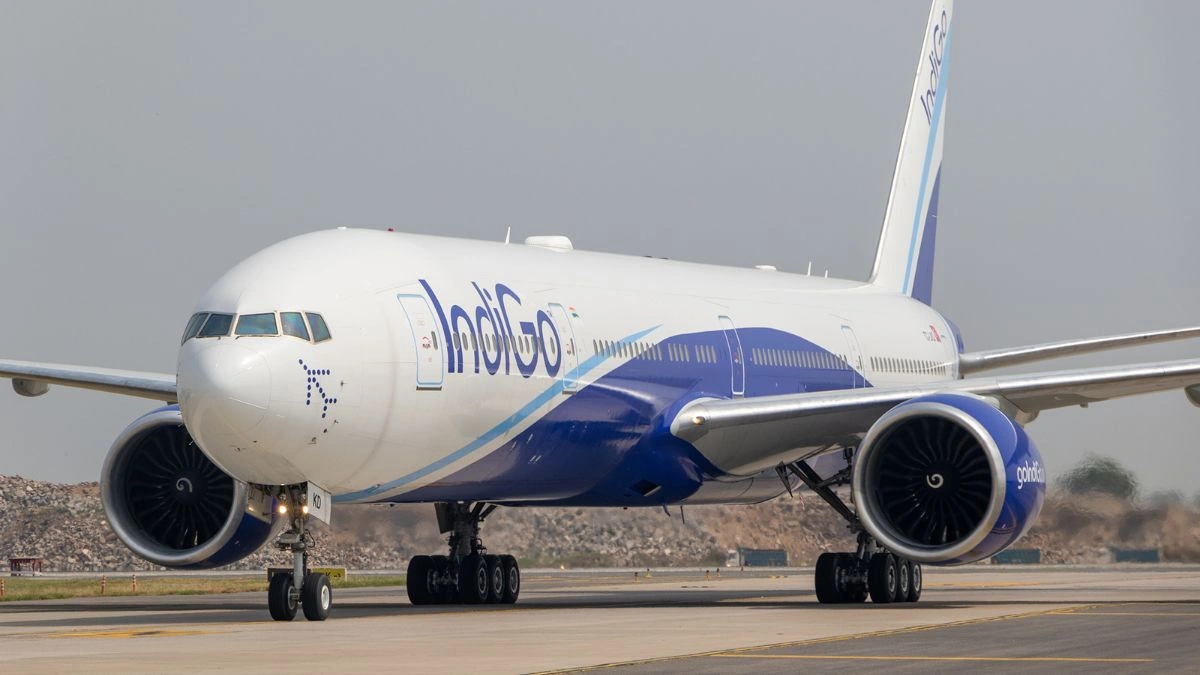
IndiGo, India’s largest airline, is making a strategic shift. It’s not just about adding more planes; it’s about IndiGo fleet strategy . They’re aiming to own a bigger chunk of their aircraft rather than leasing them. But here’s the thing: why now? And what does this mean for you, the passenger, and the overall aviation landscape in India?
I initially thought this was a straightforward cost-saving measure. But digging deeper, it’s far more complex than that. Let me rephrase that for clarity: this move has implications that ripple across the entire industry.
Decoding IndiGo’s Ownership Ambitions
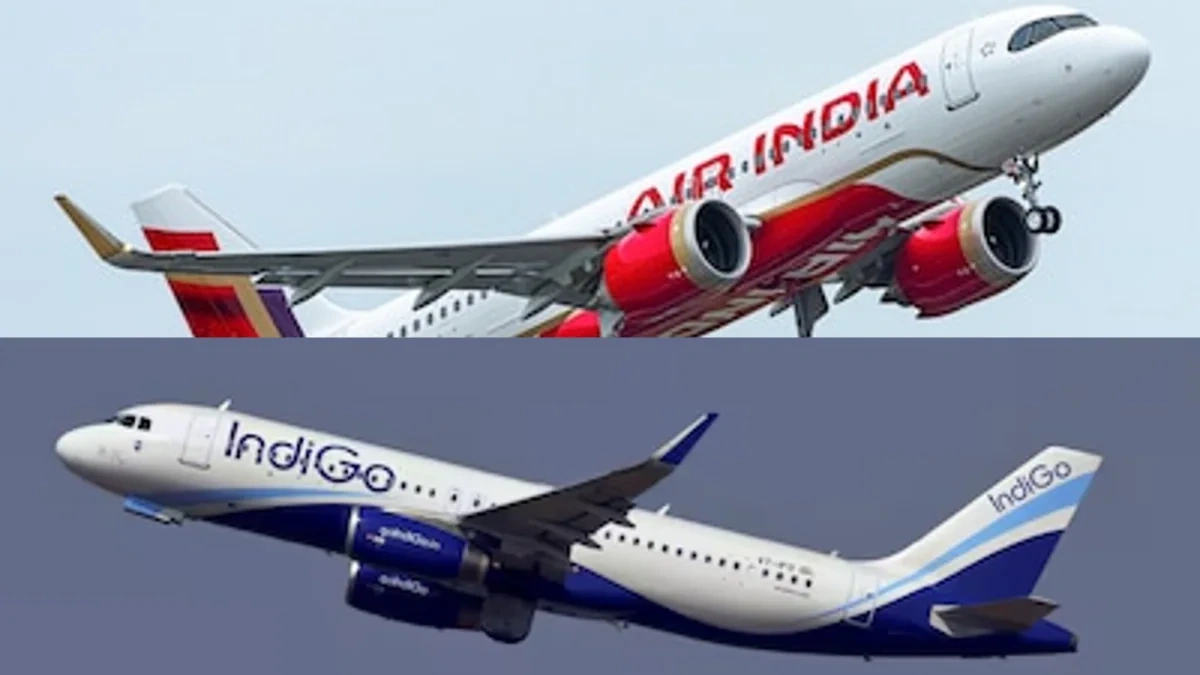
So, why is IndiGo airline focusing on owning more aircraft? The answer is multifaceted, and it boils down to long-term financial strategy, operational control, and navigating the ever-turbulent skies of the aviation industry. Owning aircraft offers several advantages over leasing. Firstly, it builds equity. Instead of perpetually paying lease rentals, IndiGo accumulates assets. Secondly, it grants them greater control over maintenance schedules and modifications. And thirdly – and this is a big one – it shields them, to some extent, from the volatility of lease rates, which can fluctuate wildly depending on global economic conditions.
What fascinates me is how this plays into IndiGo’s long-term vision. They’re not just thinking about the next quarter; they’re strategizing for the next decade. But, of course, this transition isn’t without its challenges. The initial capital outlay for purchasing aircraft is substantial, requiring careful financial planning and potentially accessing debt markets. It’s a high-stakes game, but one IndiGo seems determined to play.
The Financial Implications | A Bird’s-Eye View
Let’s be honest, airline finances can be mind-boggling. Aircraft acquisition costs are huge. But consider this: over the lifespan of an aircraft, owning can be significantly cheaper than leasing, especially when you factor in potential lease rate increases. Plus, owned assets provide collateral for future borrowing, giving IndiGo more financial flexibility. A common mistake I see airlines make is focusing solely on short-term gains. IndiGo seems to be playing the long game, aiming for sustainable profitability and long-term stability. This also potentially allows them to better manage their operational costs .
However, there’s a downside. Owning aircraft means IndiGo is responsible for depreciation costs and managing the residual value of the aircraft when they eventually retire them. It’s a more complex financial equation than simply paying a monthly lease. And, like any major financial decision, timing is everything. Are interest rates favorable? Is the aviation market stable enough to justify such a significant investment? These are the questions IndiGo’s finance team is undoubtedly poring over. As per the guidelines mentioned in the information bulletin, airlines must strategically manage their assets to remain competitive.
Impact on Passengers | Will Ticket Prices Change?
Here’s the question on everyone’s mind: will this change affect ticket prices? It’s difficult to say definitively. On one hand, owning aircraft could lead to lower operating costs in the long run, which could translate into more competitive fares. On the other hand, the initial investment is significant, and IndiGo might need to recoup some of that cost. One thing you absolutely must consider is that airline pricing is a complex beast, influenced by factors like fuel costs, competition, and demand. But I believe, and this is just my take, that this move is ultimately good for passengers. A financially stable airline is more likely to invest in better services and maintain a reliable flight schedule. IndiGo’s focus on long-term profitability should lead to a better flying experience in the long run.
And, of course, a stronger IndiGo strengthens India’s aviation sector as a whole. Increased competition and innovation ultimately benefit the consumer. This will also affect India’s aviation sector .
The Broader Aviation Landscape
What fascinates me is how IndiGo’s decision will influence other airlines in India. Will they follow suit? Will they stick to leasing? This move could trigger a shift in the industry’s overall strategy, with more airlines considering the benefits of owning at least a portion of their fleet. It is important to analyse financial performance of IndiGo .
But, other airlines need to consider their own unique circumstances. Not every airline has the financial muscle of IndiGo. Leasing might still be the more viable option for smaller airlines or those with less access to capital. It really comes down to a strategic choice based on risk appetite and long-term goals. Check this link .
The Future | IndiGo’s Flight Path
So, what’s next for IndiGo? It’s clear that they’re committed to this strategy. Expect to see them gradually increase the proportion of owned aircraft in their fleet over the next few years. They’ll likely be exploring various financing options, including sale-and-leaseback arrangements, where they purchase aircraft and then lease them back to generate revenue. This allows them to unlock capital while still retaining control of the aircraft.
And, like any smart company, they’ll be closely monitoring market conditions and adjusting their strategy as needed. The aviation industry is notoriously unpredictable, and flexibility is key. Ultimately, IndiGo’s success in expanding its owned aircraft proportion will depend on its ability to navigate the challenges and capitalize on the opportunities that lie ahead. The expansion will affect market share of IndiGo .
The one thing you absolutely must remember is that this is a marathon, not a sprint. Building a fleet of owned aircraft takes time, careful planning, and a healthy dose of patience. But if IndiGo can pull it off, they’ll be in a stronger position to dominate the Indian aviation market for years to come. A common mistake I see people make is underestimating the complexity of such a move. It’s not just about buying planes; it’s about building a sustainable financial model for the future. Check this out .
FAQ Section
Why is IndiGo focusing on owning more aircraft?
Owning aircraft offers long-term financial benefits, greater operational control, and protection from fluctuating lease rates.
Will this affect ticket prices?
It’s hard to say definitively, but lower operating costs in the long run could translate into more competitive fares. But this also depends on fuel costs, competition and demand.
How will this impact other airlines?
It could trigger a shift in the industry’s overall strategy, with more airlines considering the benefits of owning at least a portion of their fleet.
What are the challenges of owning aircraft?
The initial capital outlay is substantial, requiring careful financial planning and potentially accessing debt markets.
What financing options are available for aircraft acquisition?
Options include direct purchase, sale-and-leaseback arrangements, and accessing debt markets.
Is IndiGo planning to completely eliminate leased aircraft?
Not necessarily. A mix of owned and leased aircraft can provide flexibility and optimize fleet management.
In the end, IndiGo’s ambition to own more of its fleet isn’t just about airplanes; it’s about taking control of its destiny. It’s a bold move that could reshape the Indian aviation landscape, and it’s something we’ll be watching closely. What fascinates me is the sheer audacity of it all – taking on such a complex challenge in a notoriously volatile industry. Only time will tell if it pays off, but one thing’s for sure: IndiGo is playing to win.


Leave feedback about this